
Volkswagen Polo finance.
The 'grown-up' supermini — bigger and more refined than a Fiesta or Corsa, and now built on the MQB A0 platform it shares with the Audi A1, SEAT Ibiza and Škoda Fabia. The Mk6 (AW) genuinely drives like a smaller Golf, and the 2021 facelift brought a full Digital Cockpit and matrix LED lighting across most trims.
In short
This page tells you which trim is worth paying for, which engine or battery to skip, the known faults to check on a used one, and what a realistic finance picture looks like — sourced from primary UK data, not aggregators.
Illustrative only. Not a quote or lender decision.

Volkswagen
Polo
Should you buy one?
Buy it if
- First-time drivers who want a properly grown-up supermini with strong safety kit.
- City drivers who don't need SUV height but want a big-car feel.
- GTI buyers who want a plusher cabin than a Fiesta ST at similar performance.
Avoid it if
- Buyers on the tightest used budgets — Polos hold value well and are rarely the cheapest option.
- Enthusiasts wanting the sharpest steering — a Fiesta ST is more focused than a Polo GTI.
- Anyone considering a cheap TSI with no evidence of correct-spec oil use.
Which trim to buy
The single most useful section — every trim rated, with reasoning.
| Trim | Years | Verdict | Why | Price delta |
|---|---|---|---|---|
| Life | 2021–present | best value | The current entry point after S/SE were dropped — surprisingly well specced. | Baseline |
| Match | 2022–present | worth it | The typical fleet spec — good balance of kit and price. | +£500–£1,000 over Life |
| Style | 2021–present | worth it | Matrix headlights are genuinely useful — the pick if you drive at night. | +£1,000–£1,500 over Match |
| R-Line | 2021–present | worth it | Cosmetic uplift — mechanically identical, priced sensibly. | +£800–£1,200 over Style |
| GTI | 2018–present | worth it | Genuine warm-hatch pace with a plusher cabin than a Fiesta ST — the used-market unicorn. | +£4,000–£6,000 over R-Line |
Which engine or battery
| Engine | Fuel | Real-world | Verdict | Notes |
|---|---|---|---|---|
| 1.0 MPI 80 PS | Petrol | 44–50 mpg | good | Best for first-time buyers and low insurance — feels flat above 60 mph. |
| 1.0 TSI 95/110 PS | Petrol | 48–54 mpg | worth it | The sensible sweet spot — refined and efficient in real-world use. |
| 1.5 TSI 150 PS (ACT) | Petrol | 44–50 mpg | worth it | Active Cylinder Tech gives Golf GT levels of thrust — rare in a Polo. |
| 2.0 TSI GTI 207 PS | Petrol | 38–44 mpg | good | Real hot-hatch pace but the DQ381 wet-clutch DSG is essential for durability. |
How reliable is it?
Manufacturer recalls from the DVSA vehicle-recall service, plus MOT open-data pass rates by age where a primary figure has been verified.
Recalls
- 2018-05-15 — Rear seatbelt buckle may unfasten during a high-speed lane change (twin-buckle interlock) (R/2018/144)
- 2019-02-01 — Handbrake lever travel may increase due to adjustment nut (R/2019/037)
- 2021-10-05 — Brake pedal pull-rod connection may work loose (R/2021/320)
Known faults and what they cost
| Issue | Symptom | Typical cost | Affected years | Source |
|---|---|---|---|---|
| 1.0 / 1.5 TSI oil-pump wet belt (EA211 / EA211 evo) | The camshaft is chain-driven, but a rubber belt inside the sump drives the oil pump. Wrong oil or extended intervals shed rubber and can block the oil pickup. Real-world VW guidance moved from 'lifetime' to inspection at 140,000 miles / 10 years — but many specialists still recommend earlier renewal. | £450–£700 for belt-in-oil service | 2017–present | HonestJohn; independent VW specialists |
| DSG DQ200 (7-speed dry-clutch) judder and mechatronic failure | Jerky pull-away, flashing gear indicator, occasional total loss of drive. Common on 1.0 and 1.5 TSI DSG. | £1,200–£1,800 clutch renewal · £1,600–£2,400 mechatronic unit | 2009–present (DQ200 cars) | HonestJohn |
| 1.0 TSI oil consumption on early Mk6 units | Above-average oil use in the first 20–30k miles on some 2017–2019 cars — check the oil level every fuel fill on any test drive. | £0 under warranty (if consumption exceeds VW's threshold) | 2017–2019 | Owner forums; VW technical bulletins |
| MIB3 infotainment lag / spontaneous reboots (facelift) | Slow boot, CarPlay/Android Auto dropouts, occasional 'SOS' warning — largely resolved by software update. | £0 under warranty (software) | 2020–2022 | What Car |
What it costs to run
- VED band
- Standard rate £195/yr for cars registered on or after 1 April 2017.
- Annual VED
- £195
- Servicing interval
- 10,000 miles / 12 months (fixed) or up to 20,000 miles / 24 months (flexible / long-life oil)
- Typical service
- £180–£240 franchised · £120–£160 independent
- Cambelt interval
- 1.0/1.5 TSI: chain-driven cams; oil-pump wet belt inspected/renewed at 10 years / 140,000 miles per current VW guidance. 2.0 TSI GTI: chain.
- Cambelt replacement
- £450–£650 for belt-in-oil service
- Typical tyres
- £75–£110/corner 15/16in · £110–£150/corner 17in · £150+ GTI 18in
Where to buy a Polo
Best source
franchised
VW-approved used adds a 12-month warranty and a 142-point check, which is genuinely useful given the DQ200 DSG and oil-pump wet-belt histories. For high-mileage cars, a documented independent VW specialist history is an equally good route.
Viewing checklist
- On any DSG car, take a proper crawl-in-traffic drive — judder or flare on pull-away is a walk-away without evidenced clutch/mechatronic service.
- On a Mk6 1.0 TSI, dip the oil — early cars can consume above 500 ml per 1,000 miles.
- Confirm R/2018/144 (rear seatbelt), R/2019/037 (handbrake) and R/2021/320 (brake pedal rod) are closed via gov.uk vehicle-recalls.
- On matrix LED (Style/GTI) cars, confirm every headlight segment illuminates — replacement units are expensive.
- Check the water-pump area for coolant weep — a known EA211 weak spot.
- On MIB3 facelift cars, confirm the software is up to date and that CarPlay/Android Auto pairs first time.
- GTI buyers: check front tyres for inner-shoulder wear and confirm the DSG oil service has been done at 40,000 miles.
- Inspect wheel edges — 15/16in Polo wheels are prone to kerbing on tight parking bays.
Negotiation: A Polo with no evidence of correct-spec (VW 508 00 / 509 00) oil use is not a good buy on any 1.0/1.5 TSI — the wet oil-pump belt is unforgiving of wrong oil. Price a belt-in-oil service into the deal.
Finance on a Polo
HP suits keepers of this car — no mileage cap, and you own it at the end. PCP suits drivers who plan to change car every 3–4 years and want the lower monthly payment.
Hire Purchase on a Polo
Higher monthly, you own it at the end.
PCP on a Polo
Lower monthly, balloon payment at the end.
Illustrative — real rate depends on lender, deposit and credit profile
Alternatives at the same monthly cost
Ford Puma
The B-SUV alternative if you want more height and MegaBox practicality.
Vauxhall Corsa
Cheaper and more common on the used market — but Mk4 PureTech is wet-belt sensitive.
Peugeot 208
Nicer cabin design and a full EV option in the e-208.
Toyota Yaris
The hybrid choice — better city mpg, less refined at motorway speeds.
Sources
Sources
- GOV.UK / DVSA · Volkswagen Polo — vehicle recalls · 22 July 2026
- GOV.UK / HMRC · Vehicle tax rate tables (V149 / V149-1) · 22 July 2026
- HonestJohn · VW Polo Mk6 — Good & Bad · 22 July 2026
- Parkers · Volkswagen Polo review and specification pages · 22 July 2026
Financing this car
HP, PCP or lease on a Volkswagen Polo?
There is no single right way to finance a Volkswagen Polo. Hire purchase spreads the whole cost across the term and hands you the keys outright at the end, with no mileage limit and no condition inspection waiting for you. PCP defers a chunk of the value into a final balloon payment, so the monthly figure is lower for the same car, but you only own it if you pay that balloon — and you agree a mileage cap up front. A personal lease is a long-term rental: fixed cost, no ownership, hand it back at the end.
- Choose HP if you cover high mileage, keep cars for years, or want the Volkswagen Polo to be yours with no end-of-term conversation.
- Choose PCP if you like changing car every three or four years and your annual mileage is genuinely predictable.
- Choose a lease if you want one fixed monthly cost and are happy never owning the car.
Which Volkswagen Polo is worth financing?
Which Volkswagen Polo you finance matters as much as how you finance it. Our pick of the range is the 1.0 MPI 80 PS (44–50 mpg) — best for first-time buyers and low insurance — feels flat above 60 mph.
On trim, Life is the sweet spot (Baseline). The current entry point after S/SE were dropped — surprisingly well specced. On finance, the difference between two trims is usually a few pounds a month — far less than the resale gap between them three years later.
Set your mileage honestly. Under-declaring on a PCP or lease to shave the monthly payment is the most expensive mistake buyers make on a car like this, because excess mileage is charged per mile at the end and it is not negotiable once the contract is signed.
Buying and financing a Volkswagen Polo without regret
For this model we would buy from a franchised or approved-used dealer. VW-approved used adds a 12-month warranty and a 142-point check, which is genuinely useful given the DQ200 DSG and oil-pump wet-belt histories. For high-mileage cars, a documented independent VW specialist history is an equally good route.
Lenders have their own opinion of the car too. Most mainstream UK panel lenders want the vehicle to be under roughly ten years old at the end of the agreement, under about 100,000 miles, priced in line with trade guides and bought from a VAT-registered dealer rather than privately. A Volkswagen Polo that is well within those limits opens up more of the panel — and a wider panel usually means a better rate.
- Get the settlement figure in writing if you are part-exchanging a financed car.
- Check the finance quote is on APR, not a flat rate — flat rates always look cheaper than they are.
- Confirm the mileage allowance and any excess-mileage pence-per-mile charge before signing.
- Budget for insurance, tax, servicing and tyres alongside the monthly payment, not after it.
- A Polo with no evidence of correct-spec (VW 508 00 / 509 00) oil use is not a good buy on any 1.0/1.5 TSI — the wet oil-pump belt is unforgiving of wrong oil. Price a belt-in-oil service into the deal.
Guidance only, not personal financial advice. Any money figures are illustrative until a lender issues you a personal quote.
Volkswagen Polo finance — frequently asked
Can I get finance on a Volkswagen Polo?
Yes. The Volkswagen Polo is financed through hire purchase, PCP or a personal lease in the same way as any mainstream UK car. Approval depends on your credit profile, income and affordability, and on the specific car meeting the lender's age, mileage and seller conditions. A soft-search eligibility check shows your likely options without affecting your credit score.
Is HP or PCP better for a Volkswagen Polo?
HP suits high-mileage drivers and anyone who wants to own the Volkswagen Polo outright, because there is no mileage cap and no condition inspection at the end. PCP gives a lower monthly payment for the same car by deferring part of the value into a final balloon payment, but it caps your mileage and charges for excess miles and damage. Compare both on total amount payable, not on the monthly figure.
How much deposit do I need for a Volkswagen Polo?
Many Volkswagen agreements are available with no deposit at all. A deposit is not usually required, but it lowers the amount borrowed, reduces the monthly payment and widens the range of lenders willing to approve you. Our deposit impact tool shows what each extra £500 saves across the term.
Which Volkswagen Polo engine should I choose?
Our pick is the 1.0 MPI 80 PS, which returns around 44–50 mpg in real-world use. Best for first-time buyers and low insurance — feels flat above 60 mph.
How much is road tax on a Volkswagen Polo?
£195. Standard rate £195/yr for cars registered on or after 1 April 2017. Road tax sits on top of your finance payment, so include it when you work out what the car really costs each month.
What does it cost to service a Volkswagen Polo?
£180–£240 franchised · £120–£160 independent, at intervals of 10,000 miles / 12 months (fixed) or up to 20,000 miles / 24 months (flexible / long-life oil). Servicing, tyres and insurance are the three costs most likely to be underestimated when people budget for a car on finance.
Can I get a Volkswagen Polo on finance with bad credit?
Often, yes. Specialist lenders on the UK panel weigh affordability and recent payment conduct more heavily than your score alone. A deposit, a sensibly priced car and a clean recent record all help. Checking eligibility with us is a soft search, so it leaves no mark on your credit file.
Can I settle Volkswagen Polo finance early?
Yes. Under the Consumer Credit Act you can request a settlement figure from your lender at any point and clear the agreement early, usually with a rebate of some interest. Always get that figure in writing before you sell, part-exchange or refinance the car.
Finance options for a Volkswagen Polo
Volkswagen Polo finance near you
Local guides covering clean air zones, parking and what to check before you buy.
More Volkswagen finance guides
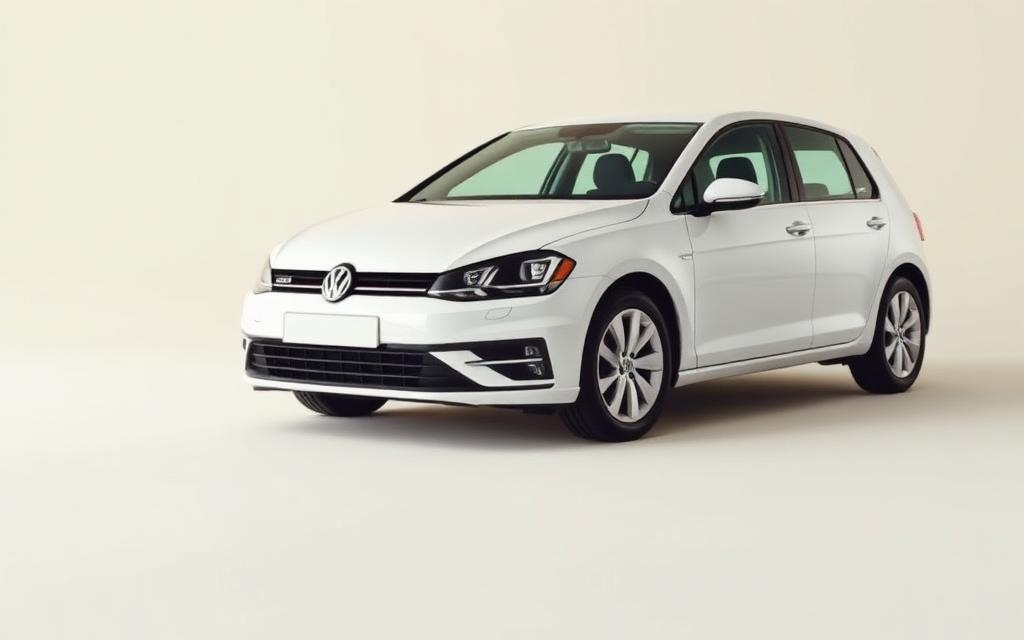
Related guides
How car finance works | WeCarFinance
A plain-English walk through HP, PCP and leasing, soft searches, deposits and what happens after you apply. Written and reviewed by our team.
HP vs PCP — which car finance suits you? | WeCarFinance
A straight comparison of Hire Purchase and PCP: monthly cost, mileage, ownership and total cost over four years — written by UK brokers.
Used car viewing checklist UK — full 40-point guide
A structured 40-point viewing checklist covering cold-start, panels, underbody, road test and paperwork. Print it, take it, tick as you go.

Improve car finance acceptance chances | WeCarFinance
Practical UK steps — electoral roll, utilisation, address stability, soft-search first — that shift acceptance within weeks, not years.
Get a real figure on a Volkswagen Polo
Soft search, under a minute, no impact on your credit score.